No products in the cart.: $0.00
Soy Extract

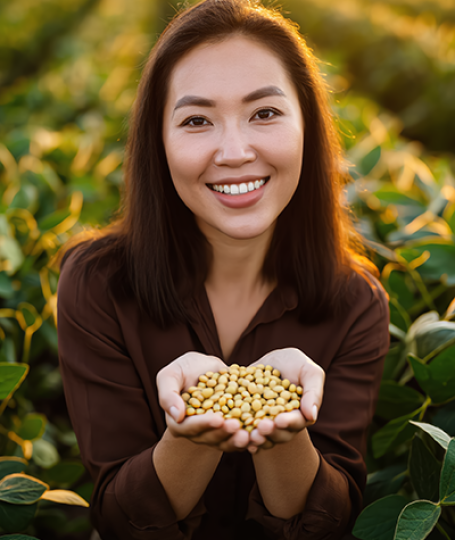
Soy Extract is a natural ingredient derived from soybeans (Glycine max), known for its rich content of isoflavones, proteins, and antioxidants that provide anti-aging, moisturizing, and brightening effects in skincare. It is commonly incorporated into anti-aging formulations, serums, and moisturizers to improve skin elasticity, reduce hyperpigmentation, and protect against environmental damage, making it a staple in products for mature or photoaged skin. Soy Extract is vegan, biodegradable, and aligns with clean beauty standards when sourced sustainably from non-GMO soybeans.
What is it Made of?
Soy Extract is obtained through:
-
- Solvent Extraction: Soybeans or soybean germ are extracted using ethanol (60-70%) or methanol (80%) to isolate bioactive compounds, yielding a concentrate rich in isoflavones.
- Fermentation or Hydrolysis: Processes like biotransformation enhance bioavailability of components for better skin penetration in cosmetic formulations.
- Cold Pressing: Oils from soybean seeds are pressed to retain natural nutrients, though this is less common for extracts focused on isoflavones.
Its composition includes:
-
- Isoflavones (e.g., Genistein, Daidzein): Phytoestrogens with antioxidant, anti-inflammatory, and collagen-boosting properties.
- Proteins and Amino Acids: Hydrolyzed soy proteins that support skin repair, hydration, and texture improvement.
- Phenolic Acids and Flavonoids: Provide antioxidant protection against free radicals.
- Vitamins and Minerals: Including vitamin E, magnesium, zinc, and iron for soothing and nourishing effects.
- Lipids and Carbohydrates: Contribute to moisturization and barrier support.
It’s often non-denatured to preserve bioactivity, with efficacy varying by extraction method and source.
Best Skin Type for Using It:
Soy Extract is particularly beneficial for:
-
- Mature or Aging Skin: Enhances collagen production, reduces wrinkles, and improves elasticity, ideal for postmenopausal women experiencing photoaging.
- Dry or Dehydrated Skin: Boosts hydration and strengthens the skin barrier to alleviate flakiness and discomfort.
- Hyperpigmented Skin: Helps even out skin tone by inhibiting melanin production and reducing dark spots.
- Sensitive Skin: Offers gentle anti-inflammatory and soothing properties for conditions like irritation or redness.
- Normal or Combination Skin: Provides antioxidant protection and mild brightening for everyday maintenance.
Caution:
-
- Acne-Prone Skin: May benefit from anti-inflammatory effects but could exacerbate oiliness in heavy formulations; choose lightweight options.
- Allergic Sensitivities: Those with soy allergies may experience reactions like dermatitis; patch-testing is essential.
- Very Oily or Acne-Prone Skin: Best used in lightweight, water-based formulations rather than heavy creams.
Avoid
-
- High concentrations on broken skin, as they may cause mild irritation in rare cases, or if endocrine concerns exist due to phytoestrogens (though topical use is generally safe).
Benefits of Soy Extract in skincare
-
- Anti-Aging: Stimulates collagen synthesis, reduces fine lines, wrinkles, and improves skin firmness and elasticity.
- Antioxidant Protection: Neutralizes free radicals to prevent premature aging and environmental damage.
- Hydration: Enhances moisture retention and supports the skin barrier for smoother, plumper skin.
- Brightening: Inhibits melanin production to fade hyperpigmentation, dark spots, and even skin tone.
- Anti-Inflammatory: Soothes irritation, redness, and inflammation, beneficial for sensitive or post-procedure skin.
- Skin Repair: Promotes healing and regeneration for minor damage or uneven texture.
- Exfoliation: Gently loosens dead skin cells to improve texture without harsh abrasion.
Pros and Cons of Soy Extract in skincare
Pros:
-
- Natural, plant-derived, and sustainable, supporting clean and eco-friendly beauty practices.
- Multifunctional with proven anti-aging, hydrating, and brightening effects, backed by clinical studies on postmenopausal skin.
- Gentle and non-comedogenic in most forms, suitable for sensitive and aging skin types.
- Enhances other ingredients like antioxidants or humectants for synergistic benefits.
- Rich in nutrients like isoflavones and vitamins for overall skin health improvement.
Cons:
-
- Limited Potency: Less effective for severe acne, deep wrinkles, or intense pigmentation compared to actives like retinoids or acids.
- Allergic Potential: May cause irritation or rash in those with soy allergies; patch-testing required.
- Cost: High-quality extracts can be expensive due to processing and sourcing.
- Quality Variability: Efficacy depends on extraction method and concentration; lower-quality versions may lack key bioactives.
- Phytoestrogen Concerns: Topical use is safe, but some avoid due to potential hormonal effects, though unsupported by dermatology reviews.
- Mild Irritation: High concentrations may cause dryness or redness in sensitive individuals.
Soy Extract, derived from soybeans, is a powerhouse skincare ingredient rich in isoflavones and antioxidants that combat aging, hydrate, and brighten the skin, as supported by clinical studies on postmenopausal women. It excels in formulations for mature, dry, or sensitive skin types by improving elasticity, reducing pigmentation, and soothing inflammation without harsh side effects in most users. While natural and versatile, it requires patch-testing for allergies and is best paired with complementary ingredients for optimal results.
Disclaimer:
The information in this blog post is for educational purposes only and is not a substitute for professional medical or dermatological advice. Always consult a qualified dermatologist or healthcare provider before using products containing Soy Extract, especially if you have sensitive, acne-prone, or compromised skin (e.g., eczema, rosacea), soy allergies, hormonal concerns due to phytoestrogens, are pregnant, or have pre-existing medical conditions. Individual results may vary, and while Soy Extract is generally well-tolerated, some users may experience allergic reactions, irritation, or stinging, particularly with high concentrations, very sensitive skin, or improper formulation. Patch testing is strongly recommended before use, especially for sensitive or allergy-prone skin or new products. Avoid applying to broken or inflamed skin, and use high-quality, sustainably sourced Soy Extract to minimize environmental impacts and ensure purity. Store products in a cool, dark place to prevent degradation. The author is not liable for any adverse effects resulting from the use of Soy Extract based on this information. Claims are based on peer-reviewed scientific research, but efficacy and safety depend on formulation, concentration, and individual skin type.