No products in the cart.: $0.00
Soy Infusion with Carrier Oils
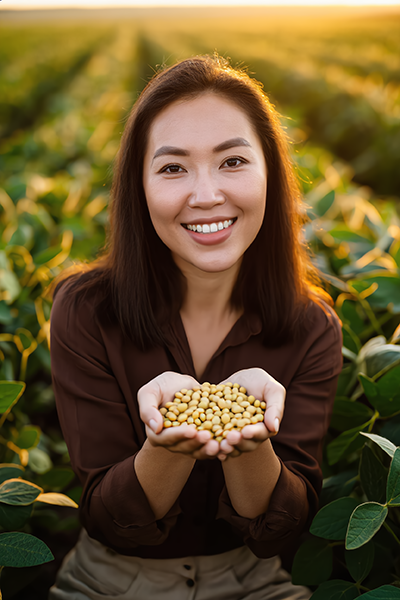
Soy Infusion is a concentrated form of bioactive compounds derived from soybeans (Glycine max), utilized in skincare for its antioxidant, anti-inflammatory, anti-aging, and skin-brightening properties. Rich in isoflavones such as genistein and daidzein, it helps protect against environmental stressors, reduces hyperpigmentation, promotes collagen synthesis, and supports skin hydration and elasticity. Commonly incorporated into serums, creams, and masks, it aligns with clean beauty standards when ethically sourced and is backed by studies showing improvements in photoaged skin.
What is it Made of?
Soy Infusion is obtained through:
-
- Extraction: Soybeans are processed using water, enzymes, or solvents to isolate active components, then concentrated and standardized for potency. Its key components include:
- Isoflavones (e.g., genistein, daidzein, glycitein): Phytoestrogens with antioxidant, anti-inflammatory, and estrogen-mimicking effects that support skin repair and anti-aging.
- Proteins and Protease Inhibitors (e.g., Soybean Trypsin Inhibitor (STI), Bowman-Birk Inhibitor (BBI)): Inhibit enzymes like elastases and MMPs, protecting collagen and elastin while reducing inflammation.
- Amino Acids: Promote hydration and cellular repair.
- Lipids and Phosphatidylcholine: Enhance skin barrier function and moisture retention.
- Flavonoids and Polyphenols: Provide additional antioxidant protection against free radicals.
- Vitamins (e.g., Vitamin E): Boost overall skin health and photoprotection.
It’s plant-based, vegan, biodegradable, and suitable for sustainable formulations when sourced responsibly.
Best Skin Type for Using It:
Soy Infusion is versatile and beneficial for various skin types, particularly those addressing age-related concerns:
-
- All Skin Types: Mild and non-irritating for everyday use.
- Mature or Postmenopausal Skin: Enhances collagen, elasticity, and hydration to combat wrinkles, sagging, and dryness associated with hormonal changes.
- Sensitive Skin: Reduces redness, inflammation, and irritation, making it suitable for conditions like eczema or rosacea.
- Hyperpigmented or Uneven Skin: Fades dark spots and evens tone, ideal for photoaged or melanin-prone skin.
- Dry or Dehydrated Skin: Improves moisture levels and barrier function, though best paired with humectants.
- Acne-Prone Skin: Exhibits anti-inflammatory and antimicrobial effects to reduce lesions without clogging pores.
- Combination Skin: Balances hydration while addressing environmental damage.
Caution:
-
- Allergic Sensitivities: Rare, but those with soy allergies should patch-test, as reactions like mild irritation may occur.
Avoid
-
- High concentrations on broken skin or in individuals with known phytoestrogen sensitivities, as they may cause temporary stinging.
Benefits of Soy Infusion in skincare
-
- Antioxidant Protection: Scavenges free radicals from UV exposure and pollution, reducing oxidative stress and preventing premature aging.
- Anti-Inflammatory: Suppresses cytokines and pathways like NF-κB, alleviating redness, swelling, and conditions such as acne or eczema.
- Anti-Aging: Stimulates collagen and elastin production, reduces wrinkle depth and severity, and improves skin firmness and elasticity.
- Brightening and Hyperpigmentation Reduction: Inhibits melanin transfer and production, fading dark spots, mottled pigmentation, and evening skin tone.
- Hydration Enhancement: Increases hyaluronic acid levels and reduces transepidermal water loss, promoting moisturized and plump skin.
- UV Protection Support: Mitigates UVB-induced damage like erythema and DNA harm, enhancing sunscreen efficacy (not a replacement for SPF).
- Skin Barrier Repair: Strengthens the epidermal layer and supports overall resilience against environmental aggressors.
- Hair and Nail Support: May improve texture and growth when applied topically, though primarily focused on facial benefits.
Pros and Cons of Soy Infusion in skincare
Pros:
-
- Natural and plant-derived: Eco-friendly and aligns with clean beauty when sustainably sourced.
- Well-tolerated and gentle: Suitable for sensitive and mature skin with minimal adverse effects reported in studies.
- Multifunctional: Provides antioxidant, anti-aging, brightening, and hydrating benefits in one ingredient.
- Non-comedogenic: Doesn’t clog pores, making it safe for acne-prone skin.
- Scientifically supported: Clinical trials show improvements in photoaging, hydration, and pigmentation.
- Synergistic: Enhances other actives like vitamins C and E in formulations.
Cons:
-
- Variable Potency: Efficacy depends on isoflavone concentration and extract quality; lower-grade versions may underperform.
- Slow-Acting: Visible results for anti-aging or brightening often require 12-24 weeks of consistent use.
- Allergic Risk: Uncommon, but soy sensitivities may cause rash or irritation.
- Limited Intensity: Less potent than strong actives like retinoids for severe wrinkles or deep pigmentation.
- Hormonal Concerns: Phytoestrogens may interact with endocrine systems, warranting caution in hormone-sensitive individuals.
- Sustainability Issues: Potential environmental impact from soybean farming if not ethically managed.
Soy Infusion offers potent anti-aging and protective benefits through its isoflavone-rich composition, making it a valuable addition to skincare routines for improving elasticity, hydration, and pigmentation. Clinical studies demonstrate its efficacy in reducing wrinkles and photoaging signs, particularly in postmenopausal women, while its anti-inflammatory properties soothe sensitive skin. Overall, it provides a natural, multifunctional approach to maintaining youthful, resilient skin when used consistently.
Disclaimer:
The information in this blog post is for educational purposes only and is not a substitute for professional medical or dermatological advice. Always consult a qualified dermatologist or healthcare provider before using products containing Soy Infusion, especially if you have sensitive, mature, hyperpigmented, or compromised skin (e.g., eczema, rosacea), are pregnant, or have pre-existing medical conditions. Individual results may vary, and while Soy Infusion is generally well-tolerated, some users may experience allergic reactions, irritation, or stinging, particularly with high concentrations, very sensitive skin, or improper formulation. Patch testing is strongly recommended before use, especially for sensitive or allergy-prone skin or new products. Avoid applying to broken or inflamed skin, and use high-quality, sustainably sourced Soy Infusion to minimize environmental impacts and ensure purity. Store products in a cool, dark place to prevent degradation. The author is not liable for any adverse effects resulting from the use of Soy Infusion based on this information. Claims are based on peer-reviewed scientific research, but efficacy and safety depend on formulation, concentration, and individual skin type.